
This Bernini sculpture exemplifies the passionate expressiveness and ornate display of which of the following European art movements?
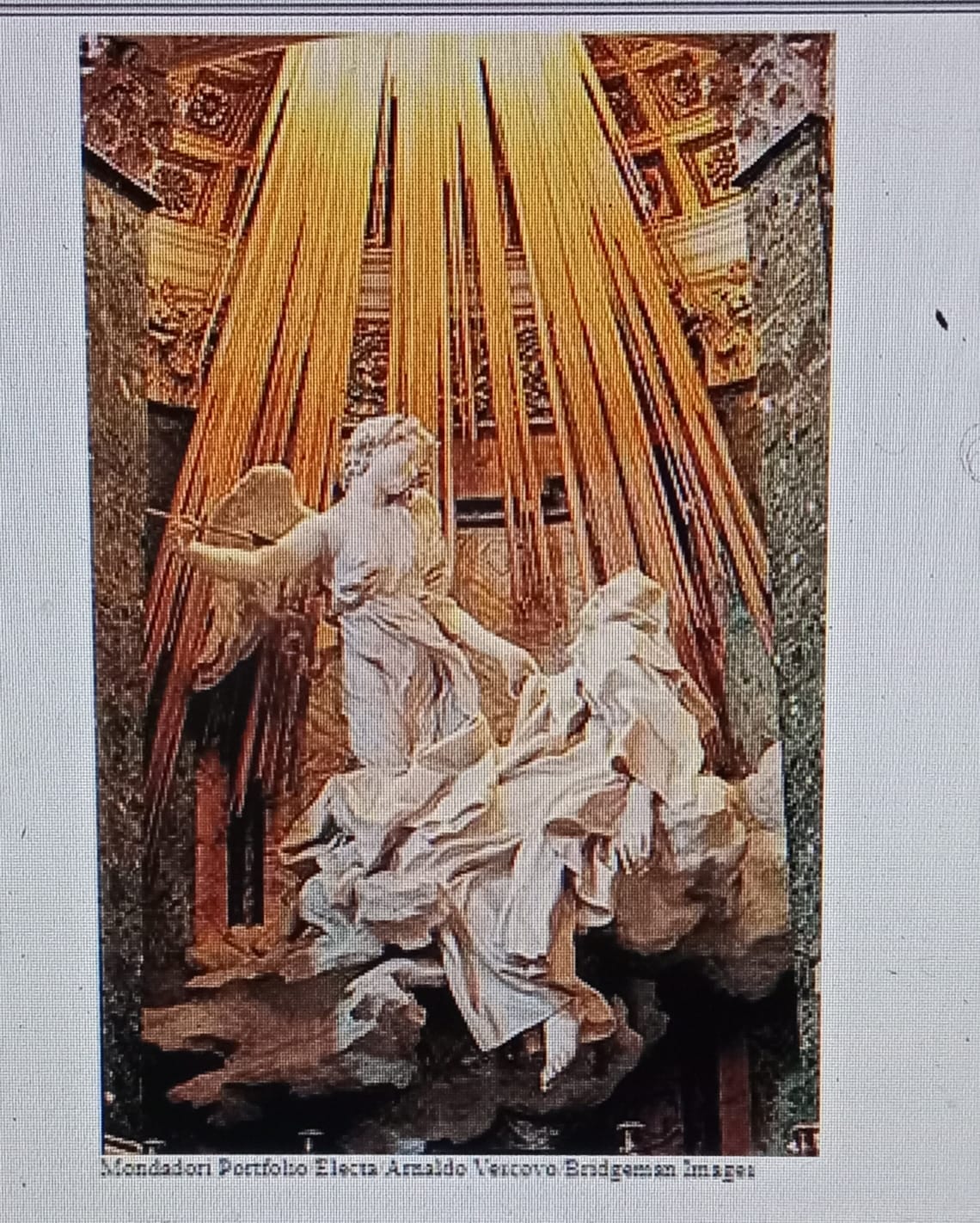
This Bernini sculpture exemplifies the passionate expressiveness and ornate display of the Baroque art movement.
The Baroque period is characterized by dramatic expression, grandeur, and a sense of movement, all of which are embodied in Bernini's works. His sculptures often evoke intense emotions and utilize intricate details to create a dynamic experience for the viewer, showcasing the essence of Baroque art.
Impressionism emerged in the late 19th century and is known for its focus on capturing light and everyday scenes through loose brushwork. Unlike the ornate and dramatic characteristics of Baroque art, Impressionism emphasizes a softer representation of reality, often lacking the emotional intensity and grandeur found in Bernini's sculptures.
The Gothic art movement, primarily spanning from the 12th to the 16th centuries, is best known for its architecture, particularly cathedrals with pointed arches and stained glass. While Gothic art conveys a sense of verticality and spirituality, it lacks the dynamic expressiveness and intricate detail that define Baroque sculpture, particularly in Bernini's work.
The Baroque movement, flourishing from the late 16th to the early 18th centuries, is marked by its dramatic use of light and shadow, emotional depth, and elaborate detail. Bernini's sculptures epitomize these qualities, showcasing movement and passion, making this the correct choice for identifying the style of his works.
The Medieval period encompasses a broad range of art styles, primarily focused on religious themes and symbolic representation. The art from this era is often more rigid and less expressive than the Baroque style, which is characterized by fluidity and emotional intensity, distinct from Bernini's dynamic sculptures.
Classical art, rooted in ancient Greek and Roman ideals, emphasizes proportion, harmony, and simplicity. While it laid the groundwork for later movements, including the Baroque, it does not capture the intricate emotional expressiveness or ornate qualities seen in Bernini's sculptures, which are hallmarks of Baroque art.
Bernini's sculptures are prime examples of the Baroque art movement, celebrated for their passionate expressiveness and ornate display. In contrast, the other movements—Impressionism, Gothic, Medieval, and Classical—each possess distinct characteristics that lack the dynamic and emotional depth found in Baroque art. Understanding these differences highlights the significance of Bernini's contributions to the Baroque tradition.
Related Questions
View allWhose works, epitomized by Vanity Fair, are known for their satire and...
An altarpiece with two wings or side panels is called a
A central theme of the Prologue to The Wife of Bath's Tale and of the...
The main purpose of the excerpt is to present
Which of the following is the United States artist and architect best...
Related Quizzes
View allAmerican Government CLEP Cheat Sheet
CLEP College Algebra Exam Questions
CLEP College Algebra Exam Guide
CLEP College Mathematics Exam Secrets Study Guide
CLEP History of the United States II Examination Guide
CLEP History of the United States II Examination Guide
Humanities CLEP Test Study Guide
CLEP Introductory Psychology Examination Guide
College Level Examination Program CLEP Exams Hack
CLEP Western Civilization I Exam Secrets Study Guide
- ✓ 500+ Practice Questions
- ✓ Detailed Explanations
- ✓ Progress Analytics
- ✓ Exam Simulations