
The image could best be used by historians studying which of the following topics?
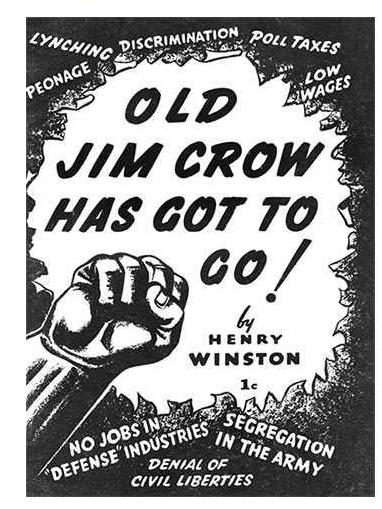
The motivations for federal law enforcement surveillance of civil rights activists.
The image likely depicts a historical context related to civil rights activities, making it particularly relevant for understanding the motivations behind federal surveillance of activists. This topic encompasses the tension between government actions and the civil rights movement, reflecting concerns over social change and perceived threats to national security.
This choice focuses on economic factors and agricultural practices primarily in the southern United States. While sharecropping is a significant issue in African American history, it does not directly relate to federal surveillance or activism, thus making it less relevant to the historical context implied by the image.
Federal wage laws from the New Deal era aimed to address economic disparities, but they are not specifically tied to civil rights activism or surveillance. This choice centers on labor and economic policies, which, while important, do not directly connect to the topic of law enforcement's interaction with civil rights activists.
This option pertains to cultural studies and the experiences of African Americans during the Great Migration. Although it provides valuable insights into social dynamics, it does not address the motivations or actions of federal law enforcement, making it an indirect link to the image's implications.
The U.S.-Soviet relationship primarily involves foreign policy and international relations during the Cold War. This choice is unrelated to civil rights or any domestic surveillance, as it deals with geopolitical strategies rather than social movements or law enforcement activities within the country.
The image serves as a crucial tool for historians studying the motivations behind federal law enforcement surveillance of civil rights activists, highlighting the complex interplay between government actions and social movements. Unlike the other choices, this topic directly engages with the themes of activism, resistance, and government oversight during a pivotal era in American history. Understanding these motivations is essential for comprehending the broader implications of civil rights struggles and the state’s response to them.
Related Questions
View allWhich of the following is a primary reason for Herbert Hoover's victor...
Model of travel in major urban centers, such as Boston and New York Ci...
President Franklin D. Roosevelt's fireside chats increased public supp...
Which of the following was the most popular form of the new mass cultu...
Which of the following is true of labor on the home front during the S...
Related Quizzes
View allAmerican Government CLEP Cheat Sheet
CLEP College Algebra Exam Questions
CLEP College Algebra Exam Guide
CLEP College Mathematics Exam Secrets Study Guide
CLEP History of the United States II Examination Guide
Humanities CLEP Test Study Guide
CLEP Humanities Test Questions
CLEP Introductory Psychology Examination Guide
College Level Examination Program CLEP Exams Hack
CLEP Western Civilization I Exam Secrets Study Guide
- ✓ 500+ Practice Questions
- ✓ Detailed Explanations
- ✓ Progress Analytics
- ✓ Exam Simulations