

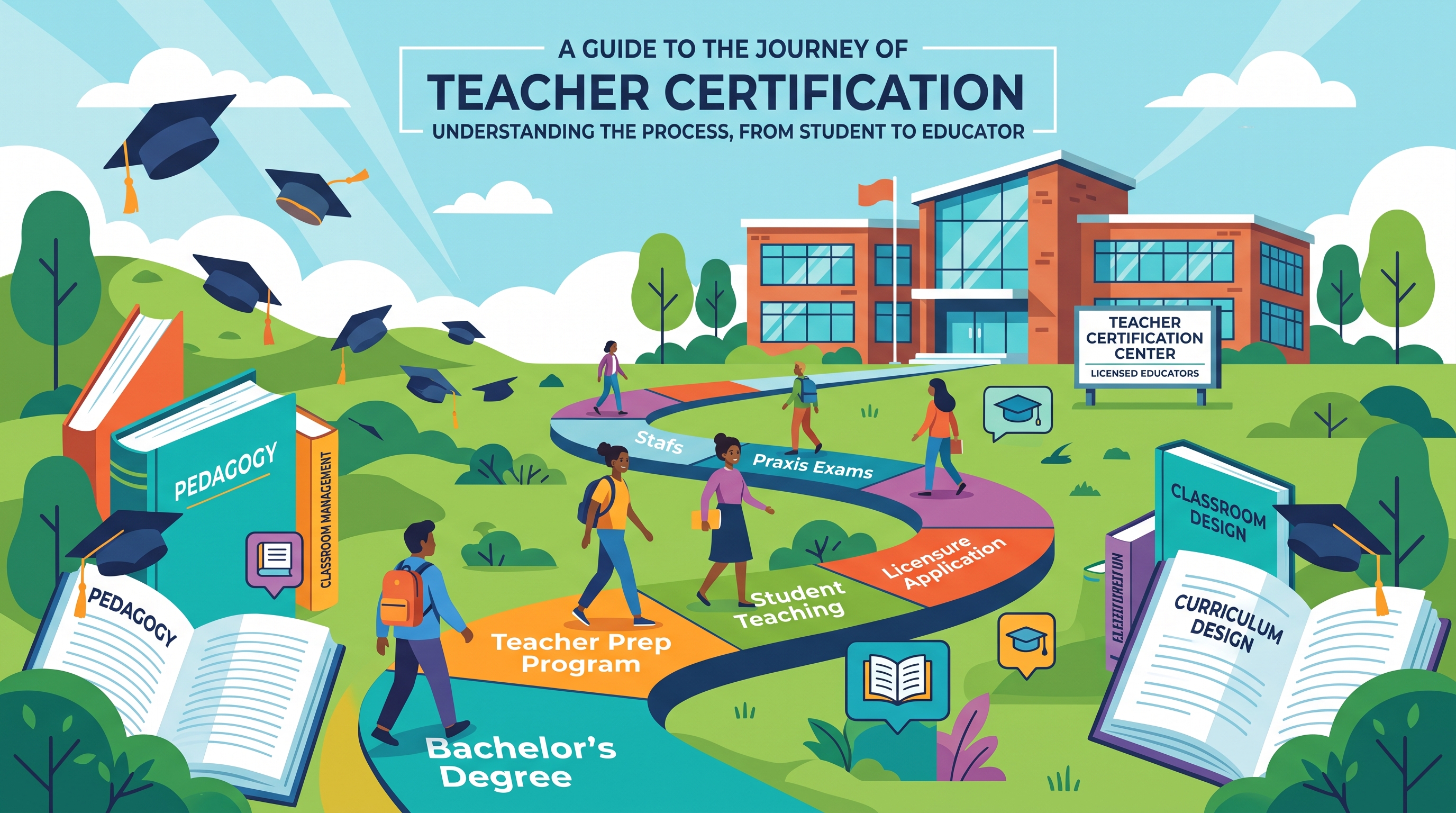
If you are pursuing a career in education, you have likely come across something called the Praxis exam. It is one of those milestones that can feel intimidating, mostly because there is so much conflicting information out there about what it actually entails.
I have worked with countless aspiring teachers who spent weeks stressing over the Praxis, only to realize they were preparing for the wrong version of the test or focusing on the wrong content. The Praxis is not just a hurdle; it is a verification tool. It is designed to ensure that you are ready to step into a classroom and lead.
Let’s walk through this together. I want to break down exactly what this exam is, who needs it, and how you can navigate it without losing your mind.
1. What Are We Actually Talking About?
At its most basic level, the Praxis is a series of assessments used by many states and professional licensing organizations to measure the knowledge and skills of prospective teachers.
Think of it like the bar exam for lawyers or the medical boards for doctors, but for educators. It is not just one test. It is a suite of tests created by the Educational Testing Service (ETS). These exams are designed to evaluate your general academic skills as well as your specific subject knowledge.
The purpose is simple: states want to ensure that the person standing in front of a classroom full of children actually knows their stuff. While not every state requires the Praxis, it is the most widely used teacher certification exam in the country.
2. Why Do You Have to Take It?
You might be wondering why you need to take a standardized test when you have already earned a degree in education. It feels redundant, right?
The Praxis serves two distinct masters.
First, it serves as a gatekeeper for licensure. It is a standardized way for state boards to confirm that you have the minimum level of competency required to teach.
Second, it serves as a program requirement. Many universities require you to pass specific Praxis exams before you can even enter their student teaching phase or graduate from their education program.
What people often get wrong is assuming the Praxis is designed to trick them. It is not. It is designed to reflect the content and pedagogical knowledge you should have acquired during your studies.
3. Breaking Down the Three Types of Tests
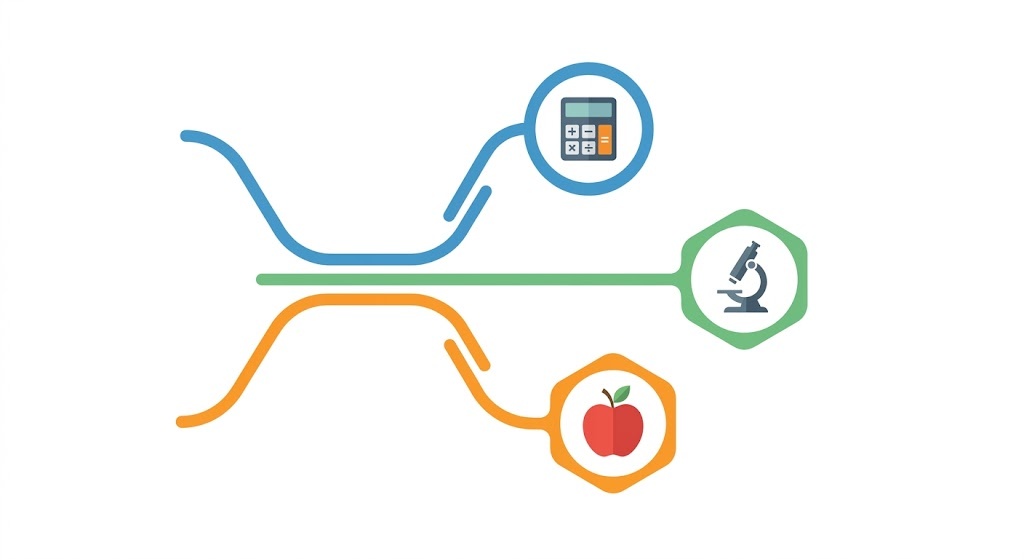
Not all Praxis exams are created equal. The test you take depends entirely on where you are in your journey. There are three main categories, and knowing which one you fall into is the first step to avoiding wasted time and money.
- Praxis Core Academic Skills for Educators (Core): This is the entry-level exam. It tests reading, writing, and math. If you are just starting your education program, this is likely your starting point.
- Praxis Subject Assessments: These test your specific knowledge in the subject you want to teach. If you want to be a high school biology teacher, you take the Biology exam. If you want to teach elementary school, you take the Elementary Education exam.
- Praxis Principles of Learning and Teaching (PLT): These tests focus on pedagogy—the science of teaching. They are usually taken later in your program, near the end of your student teaching or graduation.
4. The Praxis Core: The First Hurdle
The Praxis Core is often the most frustrating for test-takers because it feels like the SAT or ACT all over again. It tests math, reading, and writing.
The math section is usually the biggest stumbling block. It covers everything from basic arithmetic to algebra and geometry. The key here is not just knowing how to do the math, but understanding how to do it without a calculator for certain sections.
For the reading and writing sections, you are being tested on your ability to analyze text and construct a coherent argument. If you are strong in liberal arts, this might be a breeze, but do not underestimate the writing section. It requires you to catch grammatical errors in others’ work, which is harder than it sounds.
5. Subject Assessments: Proving You Know Your Stuff
This is where things get specific. The Subject Assessments are designed to prove you have the content knowledge to teach a specific subject.
You generally take these after you have completed most of your coursework. For example, if you are getting a degree in Mathematics, you will take the Mathematics: Content Knowledge exam.
A common mistake students make is trying to take these tests too early. They think they can pass based on general knowledge. While that might work for some, it rarely works for rigorous subjects like chemistry or advanced math. You need to take these exams when the material is fresh in your mind. If you wait until after you graduate and have been out of the classroom for six months, you are making the process much harder on yourself.
6. Principles of Learning and Teaching (PLT)
The PLT is different because it focuses on how to teach, not what to teach.
These exams are divided by grade level: Early Childhood, K-6, 5-9, and 7-12. You take the one that matches your certification area.
The PLT is heavy on scenarios. You will be given a situation involving a student or a classroom and asked to choose the best response. The trick here is to always choose the answer that is most student-centered and developmentally appropriate. If an answer choice involves punishing a student or ignoring a behavioral issue, it is usually wrong.
7. How the Scoring Works
Understanding the Praxis scoring system can save you a lot of anxiety.

ETS does not give you a simple percentage score. Instead, they report scaled scores. Most states require a passing score somewhere between 145 and 162, depending on the specific test and the state’s requirements.
You will receive a score report that breaks down your performance into different categories. This is incredibly helpful if you need to retake the test. It tells you exactly which areas—like “Geometry” or “Literary Analysis”—need more work. Do not just look at the final number; look at the breakdown to understand your strengths and weaknesses.
8. Registration and Logistics
The logistical side of the Praxis is straightforward, but it requires attention to detail.
You register through the ETS website. You can choose to take the test at a testing center or, for certain exams, at home with a proctor. The at-home option is convenient, but ensure your internet connection is stable and your workspace is clean and clear of any prohibited materials.
When you register, make sure you send your scores to the correct recipient. If you are in a university program, they might have a specific code for the school. If you are applying directly to the state, send it to the state department of education. Sending scores to the wrong place is a common administrative headache that delays certification.
9. Preparation Strategies That Actually Work
There is no shortage of study guides out there. You can buy books, take online courses, or hire a tutor. But what actually works?
- Use the ETS Study Companions.
These are free PDFs available on the ETS website. They include real test questions and explanations. They are the closest thing you will get to the actual exam.
- Take a Practice Test Cold.
Before you study, take a practice test. This will give you a baseline. It tells you if you are ready to take the test next week or if you need three months of study.
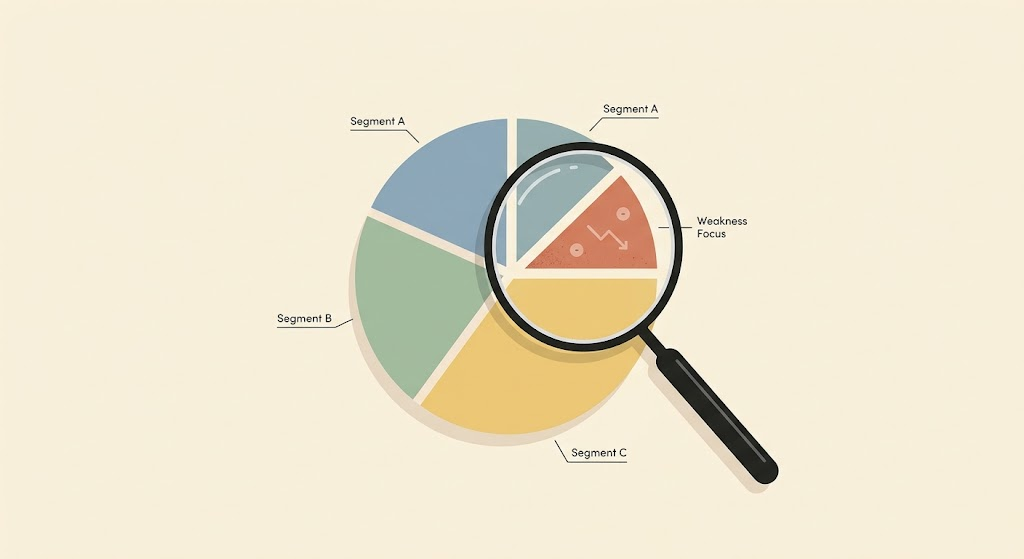
- Focus on Your Weaknesses.
It is human nature to study what we are good at because it feels rewarding. Do not do that. If you are bad at geometry, spend 80% of your time on geometry. The Praxis is scored as a whole, so you need to be proficient across the board.
10. Test Day: What to Expect
On test day, the goal is to manage your adrenaline.
You will be asked to put all personal items in a locker. You will be given scratch paper and a pencil. You will sit at a computer.
The most important thing to remember is to pace yourself. The tests are timed, and it is easy to get stuck on a hard question in the first ten minutes and run out of time at the end.
If you do not know an answer, flag it and move on. You can come back to it later if you have time. Sometimes, a question later in the test will jog your memory for an earlier one.
11. Retaking the Exam
If you fail the Praxis, it is not the end of your career. It happens to plenty of great teachers.
There is a waiting period before you can retake the exam (usually 28 days). Use that time to study your score report. Do not just re-study the same material you studied the first time. Clearly, that did not work. Try a new approach.
Remember, the Praxis is a measure of your knowledge at a specific point in time. It is not a measure of your worth as a person or your potential as a teacher.
Final Thoughts
The Praxis is a significant step, but it is a manageable one. It is simply a verification of the skills you already possess. By understanding the structure, preparing strategically, and knowing what to expect, you can walk into that testing center with confidence.
Take it one section at a time, and don’t be afraid to ask for help if you need it. You are joining a profession that values guidance and support—let yourself receive some of that as you cross this finish line.